


The Maintenance Step Most Bean to Cup Owners Get Wrong
Most bean to cup machine owners think maintenance means one thing: giving it a clean. In reality, your machine is running two completely separate maintenance cycles, and most people only know about one of them.
Understanding the difference between the two isn’t optional. Skip either one, and you’re heading for a machine that runs slower, brews colder coffee, or fails early.
Why Cleaning Gets Overlooked
Bean to cup machines run two completely separate maintenance cycles. Descaling deals with mineral buildup in the water circuit. Cleaning deals with coffee oil and ground residue in the brew chamber. Because manufacturers focus their messaging on descaling, cleaning ends up treated as an afterthought, or skipped entirely in favour of a rinse.
That’s a mistake. Here’s why.
What Actually Builds Up in Your Brew Chamber
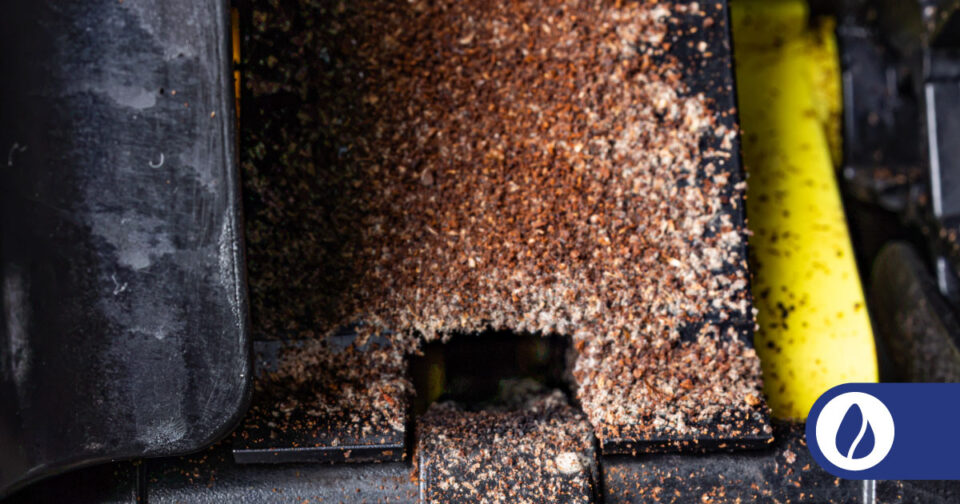
Every shot leaves behind coffee grounds and oils inside the brew chamber. A rinse with water moves loose grounds out of the way, but it does not touch the oil residue that coats the internal components shot after shot.
Left uncleaned, that residue does not just sit there quietly. Coffee oils turn rancid over time, and a warm, damp brew chamber is exactly the kind of environment where mould can take hold if the equipment isn’t properly cleaned. That’s not a cosmetic issue. It’s a hygiene issue, sitting in the part of the machine that touches every cup you make.
Why Vinegar and Home Remedies Fall Short
Vinegar is a common home remedy people reach for, along with a simple rinse, because it feels like an active cleaning step rather than just running water through the machine. The problem is that vinegar and similar home remedies aren’t designed to break down coffee oils and residue the way a specialised detergent is. They aren’t formulated for the job.
Coffee equipment needs a cleaning product like the Caffenu Coffee Machine Cleaning Tablet built specifically to lift oil residue out of the brew chamber, not a generic household acid that happens to be sitting in the cupboard. This is the same logic as descaling: you wouldn’t use a random household product to dissolve limescale, and you shouldn’t use one to clean out oil residue either. Descaling needs a specific formulation like the Caffenu Eco Descaler or Caffenu Descaling Tablets to effectively break down scale build-up in your machine.
Cleaning and Descaling Are Both Non-Negotiable
To be clear, this isn’t an argument for skipping descaling. Limescale is a real and separate problem:
- Mineral deposits build up in the water circuit and pump
- This clogs flow, resulting in colder coffee and a slower machine
- No cleaning tablet will touch limescale, it needs a dedicated descaling solution
But descaling has had its moment of public education. Cleaning hasn’t, and it deserves equal attention:
- Coffee oils and grounds build up in the brew chamber with every use
- A rinse or vinegar does not remove this residue
- Left long enough, that residue can turn rancid and create conditions for mould
- A cleaning tablet formulated specifically for coffee equipment is what actually removes it
Why a Cleaning Tablet Won’t Fix Limescale
A cleaning tablet is formulated to break down coffee oils and grounds in the brew chamber. It is not formulated to dissolve mineral deposits in your water lines. No amount of cleaning tablet use will remove limescale, because it’s solving a different chemical problem entirely.
What Happens If You Only Clean and Never Descale
Limescale doesn’t stay put. As it builds up, it clogs the water circuit. The practical effects for you as the owner:
- Your coffee comes out colder, because the machine can’t heat water efficiently through a restricted circuit
- Your machine slows down, as flow rate drops
- Left long enough, the buildup can cause permanent damage to the pump and heating elements
This is why regular cleaning alone is not full maintenance. It only addresses half the problem.
What a Descaling Solution Actually Does
A descaling solution is built specifically to dissolve mineral deposits inside the water circuit and pump. It’s a different formulation for a different job, working on a different part of the machine than a cleaning tablet does.
The Maintenance Rule for Bean to Cup Owners
Run both routines, on their own schedules, with the products actually designed for each job:
- Clean the brew chamber with a purpose-made cleaning tablet, not a rinse and not vinegar
- Descale the water lines and pump with a dedicated descaling solution
Your machine, and every cup that comes out of it, depends on both being done properly.
Frequently Asked Questions
 Is rinsing my bean to cup machine enough to keep it clean?
No. Rinsing removes loose grounds but does not remove the oil residue that coats the brew chamber. That residue needs a specialised cleaning product to break it down properly.
Can I use vinegar to clean my coffee machine?
Vinegar is a common home remedy, but it isn’t formulated to remove coffee oil residue the way a purpose-made cleaning tablet is. It’s not built for the job the same way a descaling solution is specifically built to dissolve limescale.
What happens if I don’t clean the brew chamber properly?
Coffee oils and grounds build up over time. Left uncleaned, this residue can turn rancid, and the brew chamber’s warm, damp environment creates conditions where mould can develop if it isn’t properly cleaned.
Is cleaning more important than descaling?
Neither is optional. They solve different problems in different parts of the machine. Descaling has simply had more public education behind it, which is why cleaning tends to get overlooked.
What should I use to clean my bean to cup machine’s brew chamber?
A cleaning tablet formulated specifically for coffee equipment, designed to break down coffee oils and grounds rather than a generic household product.
Do I need to clean and descale my bean to cup machine separately?
Yes. Cleaning removes coffee grounds and oil residue from the brew chamber. Descaling removes mineral limescale from the water circuit and pump. They address different problems and use different products.
What happens if I never descale my machine?
Limescale builds up and clogs the water circuit, which leads to colder coffee, reduced machine speed, and potential long-term damage to the pump and heating elements.
How often should I clean vs descale?
Cleaning frequency depends on usage volume (typically after 50 cups of coffee made or at least once a month, per your machine’s manual). Descaling frequency depends on your water hardness (but typically every 2-4 months). Check your machine’s manual or water hardness rating to set the right interval.


Popular Blogs

