


Why Your Espresso Tastes Bitter (And It’s Not Your Grind Setting)
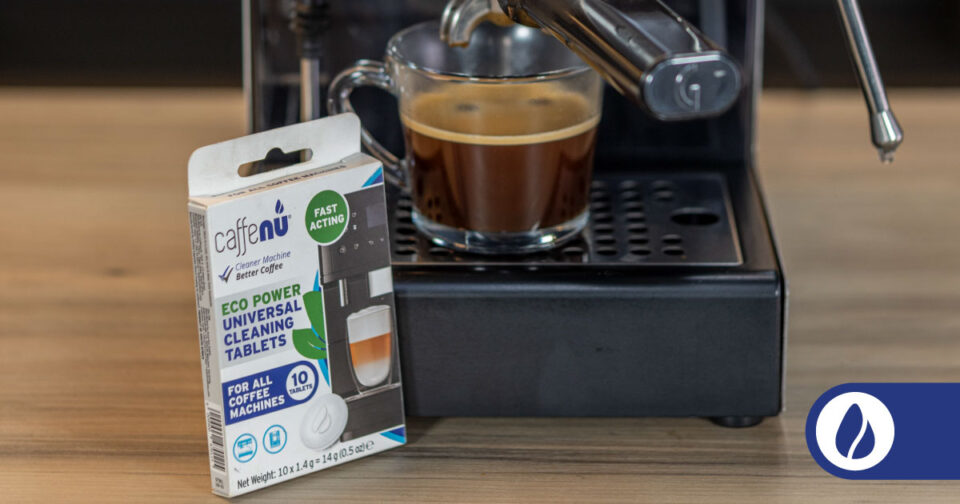
You’ve dialled in the grind. You’ve weighed the dose. You’ve timed the shot to the second. And the espresso still tastes bitter.
Before you touch another setting, check the one variable most people skip: how clean your group head actually is.
The Usual Suspects Aren’t Always the Problem
When an espresso shot turns bitter, the standard troubleshooting list looks the same everywhere:
- Grind too fine
- Wrong bean or roast
- Poor dose-to-yield ratio
These are the right places to start. But if you’ve already checked all three and the bitterness hasn’t shifted, the fault usually isn’t in your technique. It’s in the machine.
What’s Actually Happening Inside the Group Head
Every shot of espresso leaves behind a thin layer of coffee oil in the group head, the portafilter basket, and the shower screen. On its own, that’s normal and unavoidable.
The problem is what happens to that oil if it isn’t removed. Left in place, it oxidises and turns rancid, and that rancid residue transfers directly into your next shot. No amount of grind adjustment corrects for it, because the bitterness isn’t coming from the coffee. It’s coming from the machine.
This is why two people can use the same beans, the same grinder, and the same recipe, and get completely different results. One machine is clean. The other isn’t.
Cleaning and Descaling Are Not the Same Job
This is one of the most common points of confusion for espresso machine owners with a group head setup, and it’s worth being direct about it:
Descaling removes limescale and mineral buildup from water. It deals with hard water deposits inside the boiler and internal lines.
Cleaning removes coffee oil residue from the group head, portafilter, and shower screen. It deals with what the coffee itself leaves behind.
They’re solving two different problems, on two different schedules, and one does not substitute for the other. A machine can be fully descaled and still produce bitter shots because the group head has never been properly cleaned.
How to Fix It: Cleaning Tablets, Used Properly
A dedicated espresso machine cleaning tablet is designed to break down oil residue and clear it out of the group head, specifically from the area a standard backflush or rinse cycle doesn’t fully reach.
The process is straightforward:
- Insert a blind (blank) filter basket into the portafilter
- Add the cleaning tablet
- Lock the portafilter into the group head
- Run the cleaning cycle as directed for your machine
- Rinse thoroughly before pulling your next shot
Run this on a regular cycle, not just when the coffee starts tasting off. By the time bitterness is noticeable, residue has usually built up for a while.
A Simple Maintenance Routine Prevents the Problem Entirely
You don’t need a more expensive machine to get a better shot. You need a clean one.
A basic routine covers it:
- Daily: Backflush with water after your last shot
- Weekly: Clean with a dedicated tablet, following your machine’s cycle
- Monthly (or per manufacturer guidance): Descale, treating this as the separate task it is
Look after the machine on that schedule, and it looks after your coffee.
Quick Answer: Why Is My Espresso Bitter?
If your grind, dose, and ratio are all correct but your espresso still tastes bitter, rancid coffee oil trapped in the group head is the most overlooked cause. Descaling won’t fix it. A proper group head clean, using a cleaning tablet designed for that job, will.


Popular Blogs


